In modern agriculture, one of the biggest challenges is preserving soil moisture. Due to changing climate conditions and more frequent droughts, it is no longer enough to simply cultivate the soil – farmers must manage water carefully. This is where the Cambridge roller becomes very important.
Before sowing, the Cambridge roller is used to level the soil surface, break clods, and compact the soil. Soil compaction plays a key role in closing capillaries, which helps reduce water evaporation. This allows more moisture to remain in the soil, which is crucial under today’s unpredictable weather conditions.
After sowing, the roller is also highly useful. When used immediately after planting, it helps seal the soil surface, keeping moisture inside and supporting fast and even germination. In cereal crops, after winter frost, the soil often lifts. The roller helps press the soil back, improving root contact and supporting tillering.
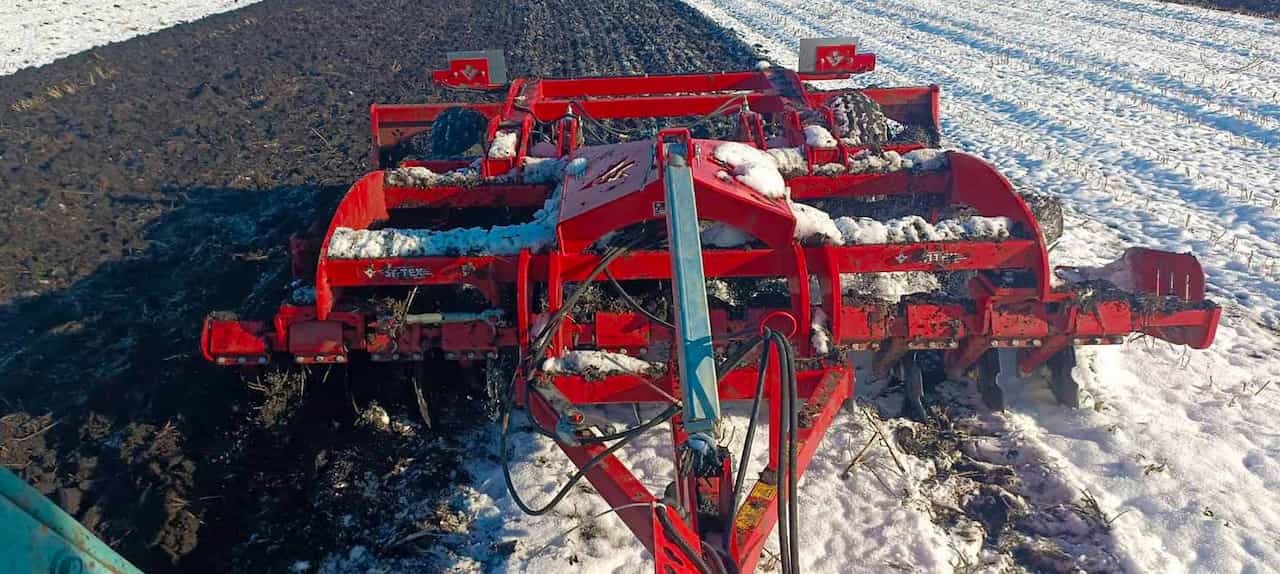
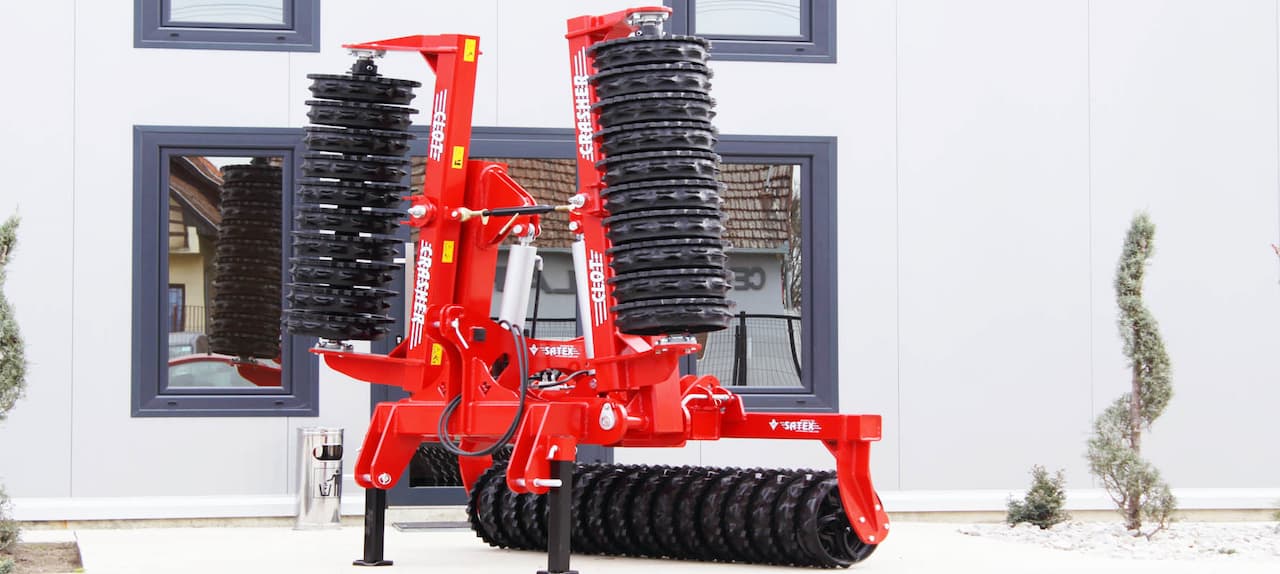
The Satex Cambridge roller stands out in several ways. Each of its three sections can independently follow the ground, ensuring even work even on uneven fields. Another major advantage is its flexibility – it can be easily converted from trailed to mounted version and back, using the same base frame. Additional parts can be quickly attached or removed with simple pin connections.
The mounted version can also be used on the front of the tractor, increasing efficiency. There is also an option to add a residue crusher roller, especially useful for sunflower stalks. This means you can effectively have two machines in one.
In reduced tillage systems, the Cambridge roller is even more important. Since soil disturbance is minimized, it becomes essential to properly close the surface and retain moisture. The roller helps maintain soil structure, reduces water loss, and improves crop emergence.
Overall, the Cambridge roller is no longer just an additional tool – it is a key machine for efficient and sustainable crop production.